Prepared by: Meshaal Sulaiman Alrubaysh Law Firm & Legal Consultancy
Professional Profile: Meshaal Sulaiman Alrubaysh
Sources Last Checked:

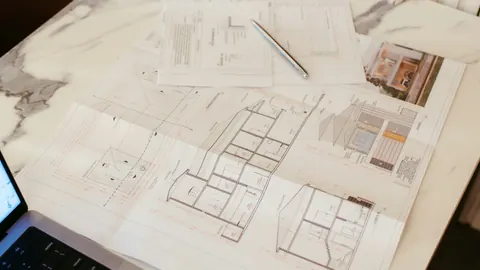
Illustrative photograph by Daniel McCullough Unsplash
An employer contracts with one contractor, then specialist companies and teams appear on site. When a defect arises, the employer is told that the team performing that part is responsible. This makes it important to map the contracts and supervision. Internal arrangements do not erase the original contractor’s obligations or make everyone on site a party to the same contract.
Was subcontracting permitted?
Article 473 of the Saudi Civil Transactions Law permits subcontracting all or part of the work unless statutory provisions, the agreement, the nature of the work or the personal significance of the contractor provide otherwise. Check prior-approval clauses, covered trades and qualification standards. The offer may have been accepted because of a particular contractor’s expertise or personal performance of a specified part. Permission should not be assumed in every case.
The main contractor remains responsible
The same article preserves the contractor’s responsibility to the employer. Simply redirecting a complaint to a subcontractor does not remove that obligation. Review the scope, specifications, supervision and procedures for defects and delay. Examine the cause, evidence, loss and causal connection. Continuing responsibility does not release the claimant from identifying the breach relied upon.
A payment claim needs its own legal basis
Article 474 provides that a subcontractor cannot claim for itself from the employer amounts due to the contractor unless the contractor has made a legally effective assignment enabling that claim against the employer. A direct claim to that entitlement therefore does not arise merely from working on site. Examine the subcontract and any legally effective assignment or separate agreement. Other valid bases may be assessed if their conditions exist, without assuming joint liability of everyone involved or automatic contract transfer.
Control instructions before they multiply
Specify who issues technical instructions, approves changes financially and accepts work. Preserve inspections, tests, notices, defect photographs and repair records. If the contractor breaches during execution, review notice-to-cure requirements and the appropriate contractual and statutory procedure before replacement or charging another contractor’s costs. Direct contact with a subcontractor should respect authority limits and avoid unintended approval of a financial increase.
- Map the contracting parties and each scope
- Check subcontracting approvals and instruction authority
- Address notices to the contractually obligated party
Fictional example
A main contractor assigns waterproofing to a specialist, and leakage later appears. The employer requests correction from its contractual contractor according to that contractor’s obligations. The main contractor examines its rights against the specialist under the subcontract. Inspection reports are preserved to identify the cause before allocating responsibility or repair costs.
Draft the contract to clarify subcontracting, supervision, variation approvals and claims. When a defect arises, start with the chain of obligations and evidence to identify the proper recipient and suitable procedure.
Official Sources
General educational content, not a substitute for advice on your facts and documents, and not a guarantee of any outcome.
Translations refer to Saudi law, consult the official legal text when applying it.
Turn knowledge into a considered decision, discuss your needs with our team.
Request a legal review